
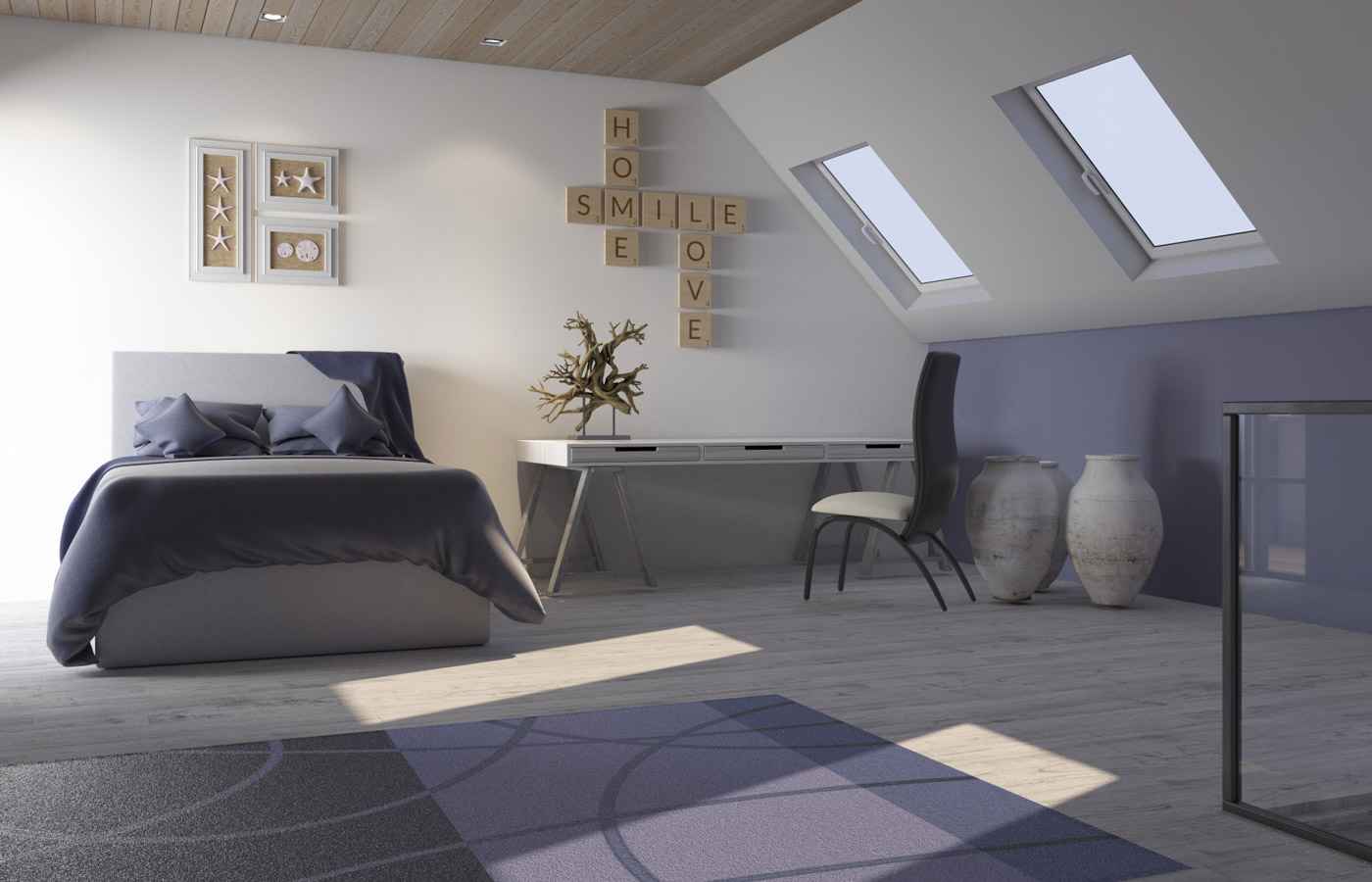
Loft conversions are one of the most popular ways to add space and value to homes in West Sussex. Whether you live in Brighton, Worthing, or Chichester, converting your attic into a habitable space can be a smart investment.
But here’s the thing: before you start knocking through the ceiling, it’s vital to understand the loft conversion regulations in West Sussex.
With over 10 years of experience in property renovations across Sussex, we’ve helped dozens of homeowners navigate UK Building Regulations – from fire safety compliance to insulation upgrades and structural reinforcement.
So if you’re thinking of transforming your loft, this is the guide you need.
Let’s get started.
What You Need to Know About Building Regulations
Building Regulations are different from planning permission. Even if your loft conversion falls under permitted development, you still need to comply with national regulations for safety and energy efficiency.
These fall under three key areas:
- Part B: Fire Safety
- Part L: Insulation and Energy Efficiency
- Part A: Structural Integrity
Each one has specific requirements tailored to loft conversions. These rules are enforced by your local building control authority – whether you’re under Brighton & Hove, Adur & Worthing, or Mid Sussex District Council.
Let’s break them down.
Fire Safety Rules for Loft Conversions (Part B)
Fire safety is non-negotiable. The goal is to ensure early warning, safe escape routes, and fire containment.
Here’s What the Rules Require:
- Protected Escape Route: Your stairs from the loft to the front door must be enclosed by fire-resistant construction. This usually means replacing doors on each floor with FD30 fire doors (providing 30 minutes of resistance).
- Interlinked Smoke Alarms: You need mains-powered alarms on every storey, all wired together so if one sounds, they all go off. Placement must follow Government guidance on smoke alarm installation.
- Fixed Staircase: No loft ladders allowed. Stairs must have a maximum pitch of 42°, a continuous handrail, and 2m headroom.
- Escape Windows: These are permitted in two-storey homes (e.g., bungalow conversions). But if your new loft becomes the third storey, a protected stairwell is mandatory.
- Fire Resistance in Open-Plan Layouts: If your loft staircase opens into an open-plan room, you’ll need to install fire-rated partitions or even consider sprinkler systems, as detailed by BuildView.
Want to know the best part?
Meeting these regulations doesn’t just make your home compliant – it makes it safer for your family.
Insulation and Energy Efficiency Standards (Part L)
West Sussex winters can be chilly – and your loft sits right beneath your roof, which is where homes lose the most heat.
That’s where Part L comes in.
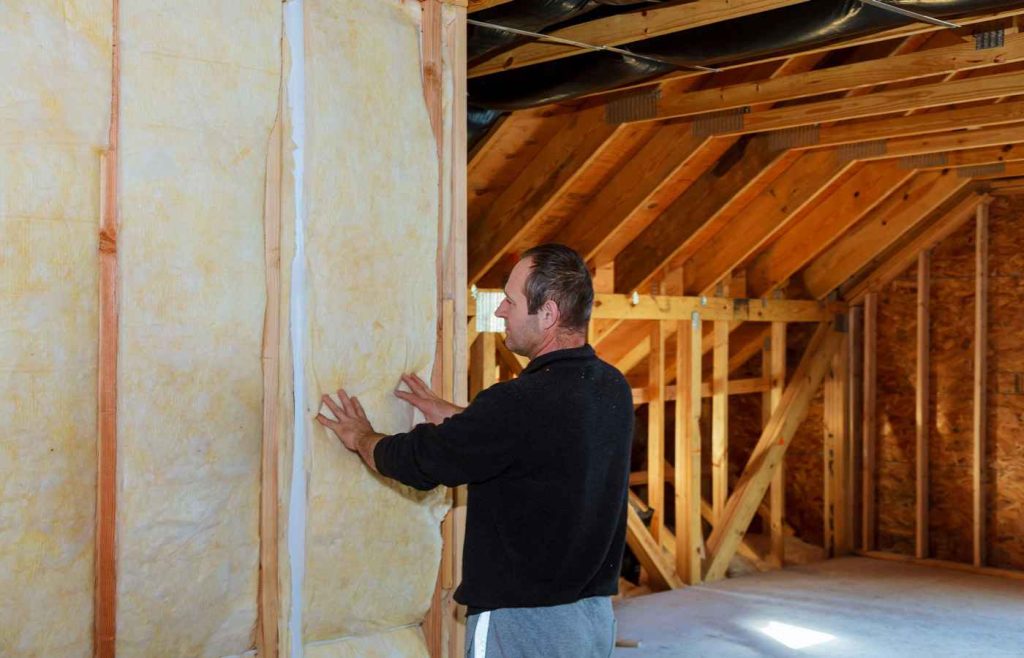
Insulation Targets You Must Meet:
- Roof Insulation: U-value target is around 0.15–0.18 W/m²K. Typically achieved with 270mm mineral wool or high-performance PIR boards like Celotex.
- Dormer & Gable Walls: Also require insulation to 0.18 W/m²K. Don’t skimp – these walls act like external ones.
- Floor Insulation: Helps prevent heat transfer to the floor below and aids in soundproofing.
- Ventilation: All that insulation needs to breathe. Use ridge and eaves vents or breathable membranes to prevent condensation. Bathrooms must have extractor fans, and you may need trickle vents.
- Energy-Efficient Windows: Install double-glazing with a U-value around 1.4 W/m²K or better.
What’s the bottom line?
A well-insulated loft can cut your heating bills and improve comfort all year round – a key part of loft conversion regulations in West Sussex.
Structural Safety and Support (Part A)
Here’s where it gets technical – but critical.
Most lofts weren’t built for bedrooms, so you’ll need serious structural upgrades.
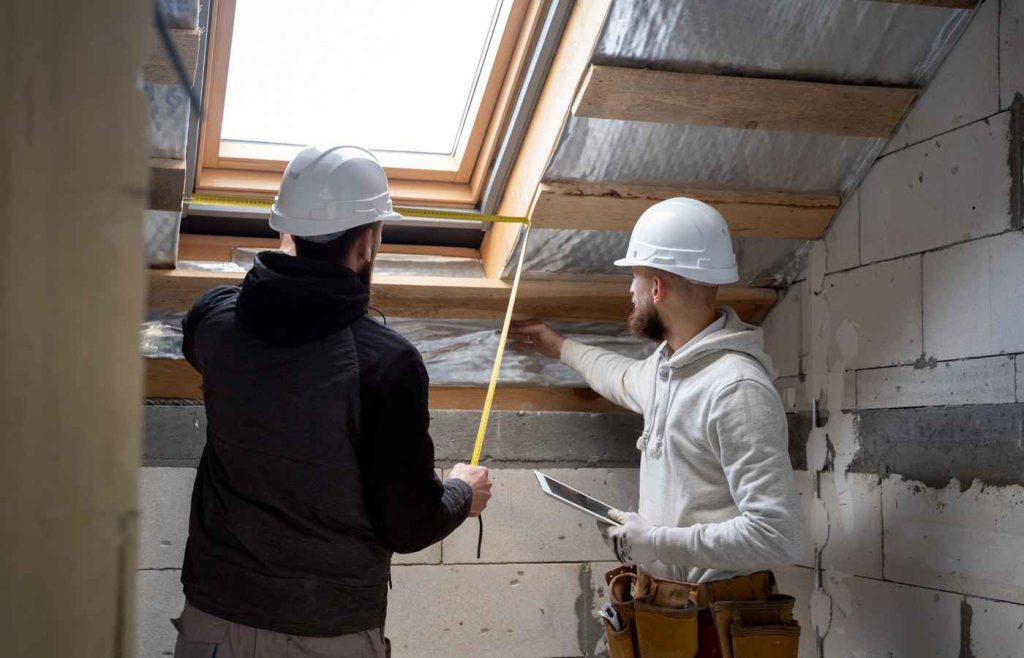
Key Requirements:
- Floor Joists: Existing ceiling joists won’t cut it. You’ll need new load-bearing joists designed by a qualified structural engineer.
- Steel Beams (RSJs): To support new joists and dormer structures. Typically installed into load-bearing or party walls.
- Roof Modifications: Adding dormers or converting a hip roof to a gable means cutting into the roof – and reinforcing it properly.
- Load-Bearing Walls & Foundations: Engineers must confirm existing structures can handle the new loads. Reinforcement may be needed in rare cases.
- Party Wall Act: If your home is terraced or semi-detached, notify your neighbour before inserting beams into a shared wall.
The takeaway?
Structural calculations and inspections are not optional. They ensure your loft conversion is safe and lasts a lifetime.
This structural work is at the heart of complying with loft conversion regulations in West Sussex, especially for older properties in the area.
How Your Loft Type Affects Regulations
Not all conversions are the same. Your project type determines the level of structural, insulation, and fire work required.
1. Dormer Conversion
Common across West Sussex. Adds a flat-roofed extension to the back roof. Involves cutting into the roof, adding fire-rated dormer walls, and major structural work.
2. Hip-to-Gable Conversion
Great for 1930s semis and bungalows. Converts sloping side (hip) into a vertical gable. Requires strong gable wall construction and proper insulation.
3. Velux/Rooflight Conversion
Least invasive. No change to the roof shape, just skylights. Still needs insulation, fire safety upgrades, and a compliant staircase.
No matter the type, loft conversion regulations in West Sussex apply across the board – from escape routes to U-values.
Property Type Considerations
Let’s go local:
Whether you’re in a terraced Victorian in Brighton or a detached bungalow in Rustington, your home’s layout affects how you meet the regulations.
Terraced Homes
- Require fire-rated stair enclosures.
- Party wall soundproofing is a must.
- Tight spaces often need creative stair designs.
Semi-Detached
- Similar to terraces but with one external wall – allows more flexibility.
- Still need Party Wall Agreement and full fire safety compliance.
Detached Homes
- No party wall issues.
- Sometimes more freedom with dormer size and layout.
- Fire escape options may be more flexible.
Bungalows
- Treated as two-storey homes post-conversion.
- Can use escape windows as fire exit if under 4.5m.
- Ideal for creating chalet-style homes.
Working With Building Control in West Sussex
All loft conversions require Building Regulations approval.
You can either:
- Submit Full Plans (recommended for complex builds), or
- Use a Building Notice for simple projects.
Local authorities like Chichester District Council and Arun District Council will conduct site inspections at key stages.
You might be wondering:
What if you don’t get approval?
Without it, you risk enforcement notices and trouble when selling. You also won’t get a Completion Certificate, which proves the work is legal and safe.
Bonus Tip: Consider Going Beyond Minimum Standards
Sustainability is big in West Sussex.
Why not future-proof your loft?
- Add solar panels during dormer roof work.
- Use natural insulation like sheep’s wool.
- Consider smart heating and airtightness upgrades.
These aren’t mandatory – but they’re smart.
Ready to Start Your Loft Conversion in West Sussex?
We’ve just explored the key regulations you need to follow for a safe, energy-efficient, and fully compliant loft conversion in West Sussex — including fire safety, insulation standards, and structural requirements.
Now the next step is planning your project with the right support.
If you’re based in Worthing, we regularly carry out loft conversions in the area and understand the specific local considerations involved. You can learn more about our approach to loft conversions in Worthing and see how we help homeowners turn unused attic space into something exceptional.
Wherever you are in the county, Sussex County Construction is here to help you build smart, stay compliant, and add real value to your home.
0 Comments