
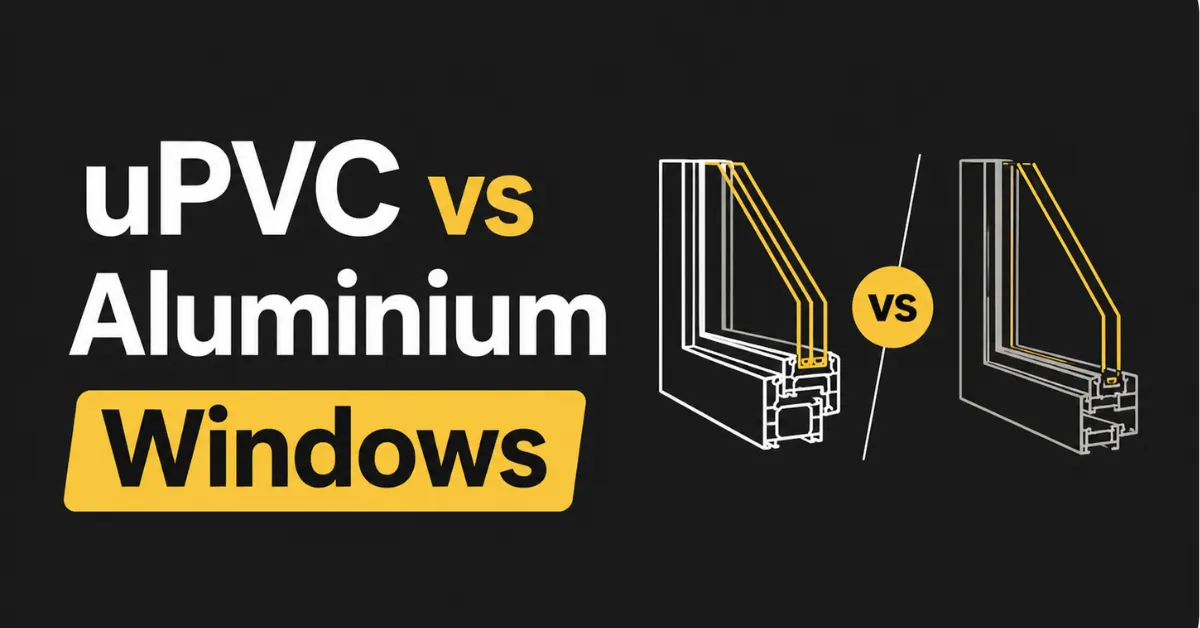
If you’re choosing between uPVC and aluminium windows, the decision goes far beyond appearance. It affects how warm your home feels in winter, how much you spend on energy, how your property looks from the street, and how long your windows last before needing replacement.
In places like Worthing, Lancing, Shoreham-by-Sea, and Chichester, that choice carries even more weight. Coastal air, changing temperatures, and older housing stock all play a role in how well a window performs over time. So this isn’t just about picking a frame. It’s about choosing what works for your home for the next twenty to forty years.
The short version is simple. uPVC is cost-effective, thermally efficient, and practical for most homes. Aluminium offers strength, slim profiles, and long-term durability, but comes at a higher upfront cost. The real answer depends on what matters most to you.
Let’s break it down properly so you can decide with clarity.
Why the Window Material Matters More Than Most People Think
Windows are responsible for a significant portion of heat loss in UK homes. Older properties, especially across West Sussex, often still have ageing frames or outdated glazing that allow warmth to escape and cold air to creep in.
But heat loss is only part of the picture.
The material you choose also affects:
• Long-term maintenance
• Resistance to coastal weather
• Property value and kerb appeal
• Noise insulation
• Structural flexibility for large openings
That means the decision between uPVC vs aluminium windows isn’t cosmetic. It’s structural, financial, and practical all at once.
uPVC vs Aluminium Windows: What’s the Core Difference?
At a basic level, the difference comes down to material behaviour.
uPVC is a type of rigid plastic designed to insulate and resist moisture. Aluminium is a metal known for strength, durability, and flexibility in design.
This difference shapes everything else.
uPVC naturally resists heat transfer, which makes it highly energy efficient without additional engineering. Aluminium, on the other hand, conducts heat, so modern frames rely on thermal breaks to prevent heat loss.
In simple terms, uPVC is efficient by nature. Aluminium becomes efficient through design.
Cost Comparison: What Do You Actually Pay?
Cost is usually where the conversation starts.
Typical UK pricing looks like this:
• uPVC windows: £300 to £600 per window
• Aluminium windows: £600 to £1,200 or more per window
At first glance, aluminium looks twice as expensive. And upfront, it often is.
But focusing only on the initial price can be misleading.
uPVC windows generally last between 20 and 35 years. Aluminium windows can last 40 years or more. That means over a longer timeline, aluminium doesn’t necessarily cost twice as much. The difference spreads out.
For a standard three-bedroom home in West Sussex, the total difference between uPVC and aluminium installations might sit somewhere between £3,000 and £6,000. Whether that matters depends on how long you plan to stay in the property.
If you’re thinking short to medium term, uPVC usually makes more financial sense. If you’re planning long-term, aluminium starts to justify itself.
If you want accurate figures for your home, it’s worth exploring the Sussex Window & Door Installation options to understand real pricing based on your property layout and access.
Thermal Efficiency: Which Keeps Your Home Warmer?
Thermal performance is one of the biggest reasons homeowners upgrade their windows.
uPVC performs extremely well because it doesn’t conduct heat easily. Aluminium used to struggle here, but modern systems have improved significantly.
Typical performance levels:
• uPVC double glazing: around 1.2 to 1.6 W/m²K
• uPVC triple glazing: around 0.8 to 1.0 W/m²K
• Aluminium double glazing: around 1.4 to 1.8 W/m²K
• Aluminium triple glazing: around 0.9 to 1.2 W/m²K
Both materials can meet UK building regulations. But uPVC still has a slight edge in raw insulation performance, especially in older homes where keeping heat in is a priority.
For homeowners dealing with draughty properties, particularly in areas like Bognor Regis or Littlehampton, that difference can be noticeable in winter.
Appearance and Design Flexibility
This is where aluminium clearly stands out.
Because aluminium is much stronger than uPVC, it can support larger panes of glass with thinner frames. That means more natural light and a more modern look.
Frame thickness comparison:
• uPVC: 70 to 100mm
• Aluminium: 25 to 45mm
That difference becomes obvious on larger windows, sliding doors, or open-plan extensions.
Aluminium works particularly well for:
• Contemporary homes
• Large glass installations
• Bifold or sliding doors
• Minimalist architectural designs
uPVC still suits most traditional homes perfectly. In fact, in many streets across Worthing and Chichester, uPVC looks more in keeping with the surrounding properties.
So this part of the decision is less about “better” and more about “what fits your home”.
Durability and Lifespan in Coastal Areas
Living near the coast changes things.
Salt air, wind, and moisture can wear materials down faster than expected. This is especially relevant across West Sussex coastal towns.
uPVC performs well, but over time:
• Cheaper frames may discolour
• Seals can wear out
• Frames may become slightly brittle
Aluminium handles coastal conditions better:
• Naturally corrosion-resistant
• Powder coating protects the surface
• Maintains structure over decades
For homes very close to the seafront, aluminium is often the more reliable long-term choice.
Further inland, high-quality uPVC performs just as well without issue.
Maintenance: What Do You Actually Need to Do?
Neither option is high maintenance, which is good news.
uPVC requires little more than occasional cleaning. It doesn’t need painting or sealing.
Aluminium is also low maintenance, although it can be repainted or recoated if you ever want to change the finish.
In day-to-day use, both are easy to live with. The difference is minimal.
Security: Is One Safer Than the Other?
Security isn’t really about the material anymore.
Both uPVC and aluminium windows can meet high UK security standards when properly installed.
What matters more is:
• Multi-point locking systems
• Quality glazing
• Proper installation
• Reinforced frames where needed
A well-installed uPVC window is just as secure as aluminium in most real-world situations.
If security is a concern, working with experienced professionals such as Building Company Chichester ensures proper specification and installation.
Sustainability and Environmental Impact
This is becoming more important for homeowners.
uPVC can be recycled, but the process is more limited. Aluminium is highly recyclable and retains its quality through multiple reuse cycles.
Because aluminium lasts longer and is easier to recycle, it generally has the edge in sustainability over the long term.
That said, both materials can be environmentally responsible if sourced and installed properly.
Planning Rules and Local Considerations
Most window replacements fall under permitted development in the UK. But there are exceptions.
In conservation areas across West Sussex, especially in parts of Chichester and Worthing, stricter rules may apply.
In some cases:
• Frame style must match existing design
• Material choices may be restricted
• Approval may be required
Aluminium’s slim profile can sometimes help meet planning expectations, especially where traditional proportions matter.
If you’re unsure, working with experienced teams like Best Home Builders Near You can help navigate local requirements without delays.
Real-World Perspective: What Homeowners Actually Experience
One common issue isn’t the material itself; it’s poor installation or low-quality products.
Homeowners who choose budget options without checking credentials often face:
• Discolouration
• Drafts
• Seal failures
• Warranty issues
This happens with both uPVC and aluminium.
The lesson is simple. Quality matters more than material alone.
If you’re planning a wider upgrade, combining window replacement with projects like Bespoke House Extensions in Sussex or Kitchen Renovations Services in West Sussex often leads to better long-term results, both visually and financially.
When uPVC Makes More Sense
uPVC is the right choice when:
• Budget is a priority
• You want strong thermal performance
• Your home has a traditional design
• You’re planning medium-term ownership
It delivers excellent value and suits most UK homes without compromise.
When Aluminium Is the Better Option
Aluminium becomes the better choice when:
• You want a modern, minimal look
• Large glass areas are important
• You live very close to the coast
• You’re investing long-term
It’s less about necessity and more about preference and longevity.
How This Decision Fits Into Bigger Renovation Plans
Windows rarely exist in isolation.
They often tie into larger home improvements such as extensions, loft conversions, or new builds.
For example, if you’re planning Bespoke New Builds or upgrading your space alongside Property Extension Services in Sussex, aluminium windows often align better with modern design goals.
If your focus is improving comfort and efficiency within an existing structure, uPVC usually does the job effectively.
FAQs
Are aluminium windows worth the extra cost?
They can be, especially for long-term homeowners or modern designs. The lifespan and aesthetics often justify the higher price.
Do uPVC windows last long enough?
Yes. High-quality uPVC windows typically last 20 to 35 years, which is more than enough for most homeowners.
Which is better for coastal homes?
Aluminium performs better very close to the coast, but good-quality uPVC still works well slightly inland.
Do both options meet UK energy standards?
Yes. Both can meet regulations when properly specified with double or triple glazing.
Final Thoughts
There isn’t a single “best” choice between uPVC vs aluminium windows. There’s only one right choice for your home.
uPVC offers efficiency, affordability, and practicality. Aluminium delivers design flexibility, strength, and long-term durability.
If you look beyond the upfront cost and focus on how you live, how long you plan to stay, and what your home actually needs, the decision becomes much clearer.
For homeowners across West Sussex, from Worthing to Chichester, getting professional advice based on your property makes all the difference.And if you want to see how these options come together in real projects, exploring Completed Projects or speaking directly through Contact Us can help you move forward with confidence.
0 Comments