
Looking to expand your living space without moving house? This guide will help you explore the best loft conversion types available in the UK. A loft conversion is one of the smartest ways to add space and value to your home — potentially increasing property value by up to 20%. Whether you’re in Brighton, Chichester, or the heart of Worthing, this in-depth resource covers Dormer, Hip-to-Gable, Mansard, Roof Light (Velux), and L-Shaped Dormer conversions.
We’ll walk you through the benefits, costs, planning rules, and which type is best for your home style and budget.
Dormer Loft Conversion
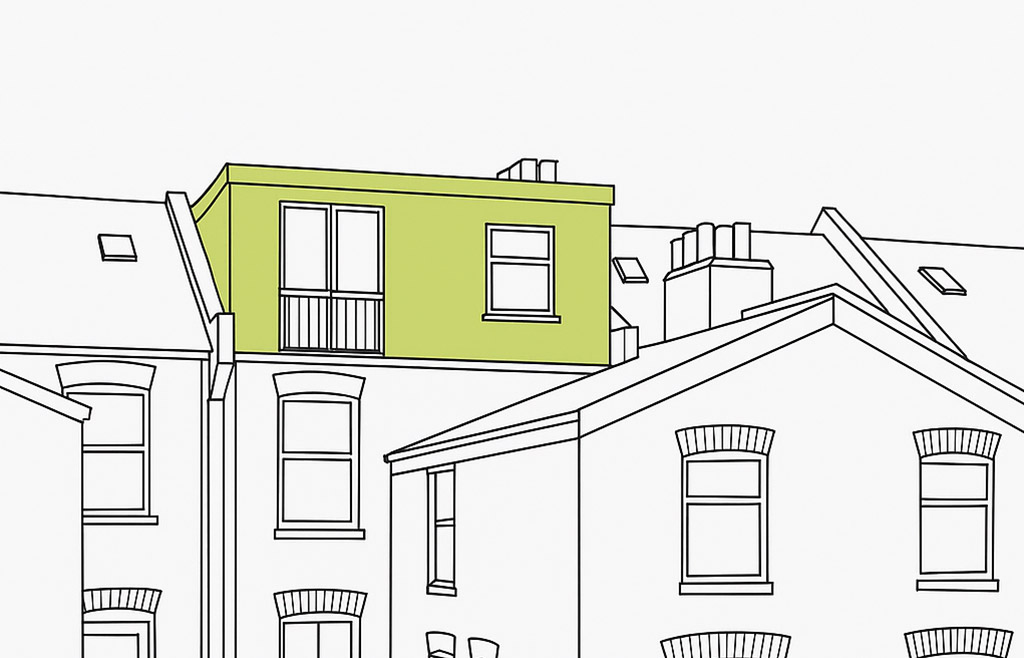
Dormer loft conversions are one of the best loft conversion types available in the UK. They provide substantial headroom and usable floor space without radically altering your home’s roofline.
What is it? A dormer involves extending the sloping roof vertically to create a flat-roofed structure that projects outward. This new structure houses windows and gives the interior a box-like shape with full-height walls.
Best for: Terraced, semi-detached, and detached homes with pitched roofs.
Typical Cost: £30,000–£60,000
Planning Permission: Often falls under Permitted Development (PD)
Pros:
- Adds a full-size room with standing height
- Allows installation of vertical windows or Juliet balconies
- Quick to build (usually 8–12 weeks)
- Excellent value for money in terms of cost per square metre
Cons:
- May alter the appearance of your home (can be softened with tile or zinc cladding)
- Oversized or front-facing dormers may need planning permission
Design Flexibility: Dormers can accommodate various layouts, including a spacious bedroom and en-suite. L-shaped versions provide even more space and options.
More Info: GreenMatch on Dormer Conversions
Hip-to-Gable Loft Conversion
Got a hipped roof? You’re losing valuable loft volume. A hip-to-gable conversion fixes that.
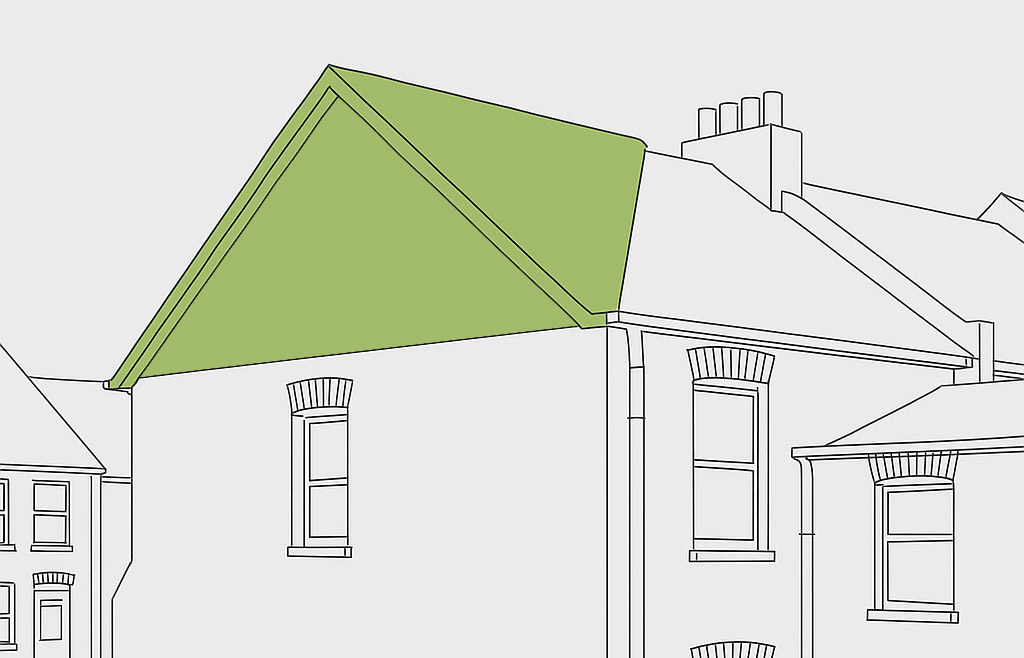
What is it? This conversion straightens the inward-sloping side of a roof to form a vertical wall (the gable), expanding loft space dramatically. It’s often paired with a rear dormer for maximum gain.
Best for: 1930s semis, detached homes, bungalows
Typical Cost: £40,000–£60,000
Planning Permission: Often required due to external alterations
Pros:
- Significant space increase, especially when combined with a dormer
- Enhances exterior symmetry (especially in semi-detached homes)
- Creates functional vertical walls for wardrobes or beds
Cons:
- Not suitable for terraced homes
- Requires structural changes and professional design
- May require Party Wall Agreements with neighbours
Where It Works: Common across Worthing and Shoreham, especially in post-war homes with hipped roofs. Bungalows can use this method to convert to chalet-style homes.
More Info: Ideal Home – Hip-to-Gable Conversions
Mansard Loft Conversion
If you want to transform your home into a full-fledged three-storey property, a mansard is the way to go.
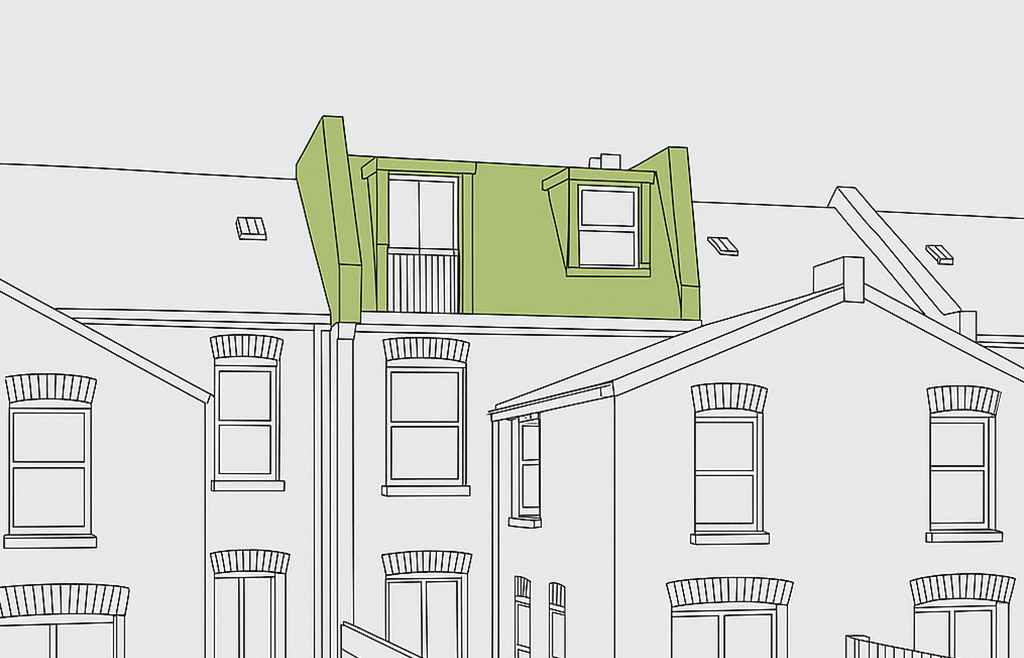
What is it? This conversion involves replacing one or both roof slopes with steeply angled walls (~70°), topped with a flat roof. It offers the most internal space and ceiling height across the entire loft area.
Best for: Terraced homes in dense urban areas (e.g., Brighton, central Chichester)
Typical Cost: £45,000–£70,000+
Planning Permission: Always required
Pros:
- Adds almost a full extra storey
- Ideal for multiple rooms, offices, or luxury suites
- Dormer windows or French doors can be incorporated
Cons:
- Most expensive and invasive type
- Long build time (8–12+ weeks)
- Aesthetic concerns in streets of traditional rooflines
Suitability: Perfect for maximising value in high-demand property markets. Ideal where space is more valuable than budget.
More Info: Planning Portal UK
Roof Light (Velux) Loft Conversion
If you want a no-fuss, cost-effective way to add a room, look no further.
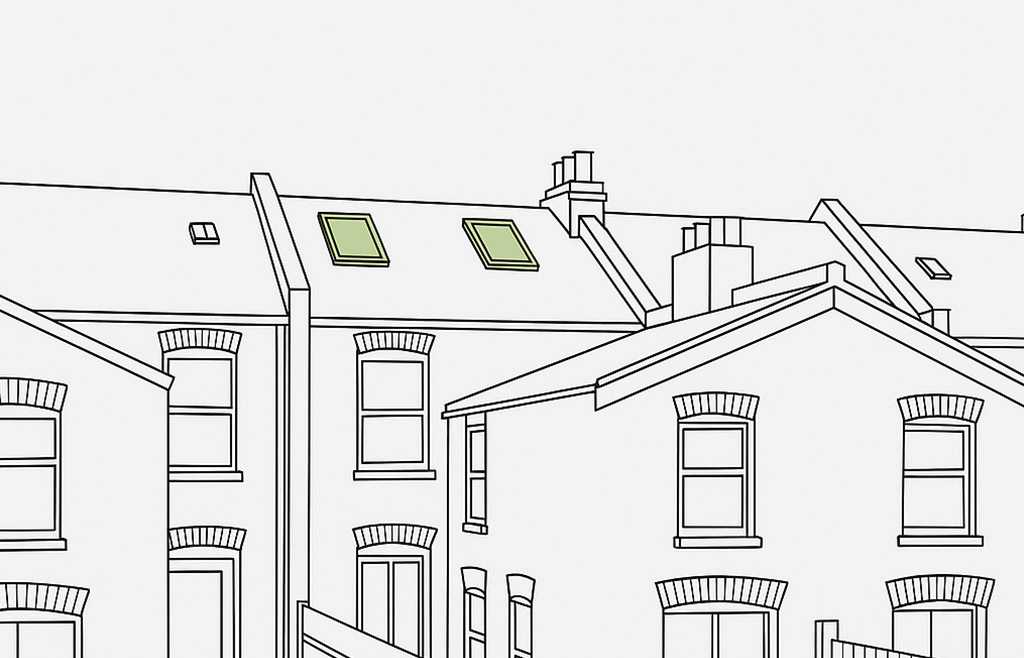
What is it? This is the simplest conversion: no structural changes to the roof, just skylights installed to allow light and ventilation. The existing loft space is made habitable with insulation, flooring, and electrics.
Best for: Homes with good existing attic height
Typical Cost: £15,000–£25,000
Planning Permission: Rarely required
Pros:
- Least expensive and least disruptive
- Fast to complete (4–6 weeks)
- Maintains exterior appearance
- Excellent natural light from skylights
Cons:
- No added headroom or volume
- Sloped ceilings can limit layout
- Best for a single room (e.g., office, guest bedroom)
Tip: Use lighter colours and open-plan layouts to maximise the feeling of space. Add eaves storage under sloping ceilings for smart use of low-height areas.
More Info: Velux UK
L-Shaped Dormer Loft Conversion
Need two new rooms? Have a rear outrigger on your property? This one’s for you.
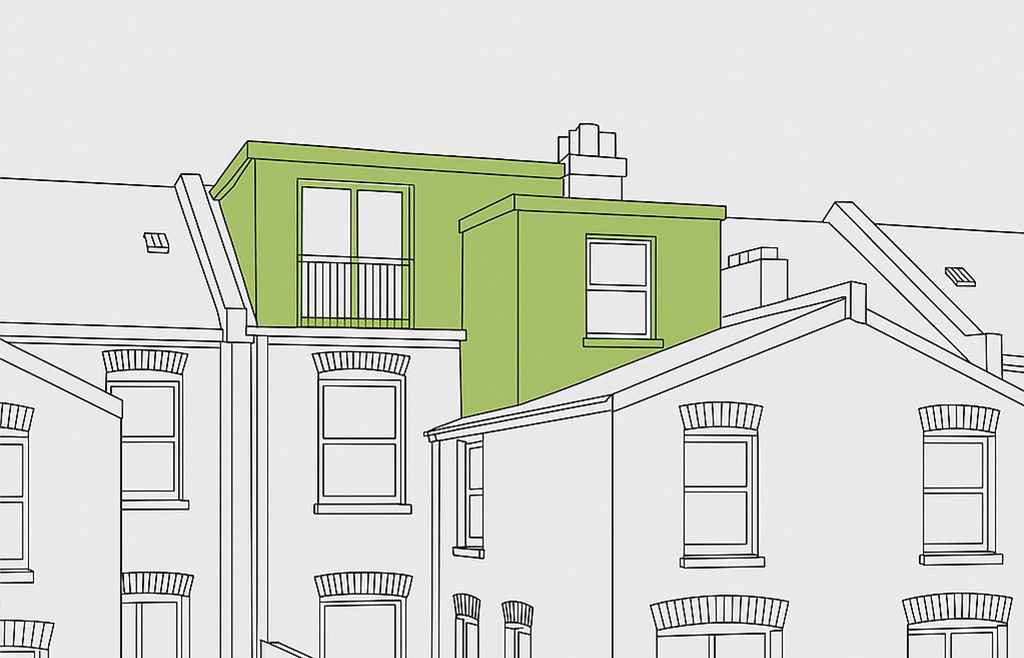
What is it? An L-shaped dormer combines two dormers: one on the main roof, and one over the rear extension. This dramatically increases floor space and layout options.
Best for: Victorian/Edwardian terraced homes with rear extensions
Typical Cost: £40,000–£70,000
Planning Permission: Sometimes required (based on size and location)
Pros:
- Huge internal space gain
- Can accommodate two rooms (bedroom + en-suite, or two bedrooms)
- Makes the most of existing house shape
Cons:
- Not viable for homes without a rear projection
- Higher cost due to dual dormer structure
- Longer build time due to complexity
Perfect For: Families needing more space in terrace homes across areas like Littlehampton, Bognor, and Worthing. Especially good if you need to maintain bedrooms downstairs for mobility reasons.
More Info: Real Homes – L-Shaped Loft Ideas
Quick Comparison Chart
| Type | Cost Range | Space Added | Planning Required? | Ideal For |
|---|---|---|---|---|
| Roof Light | £15k–£25k | Minimal | Rarely | Budget-friendly, no exterior change |
| Dormer | £30k–£60k | Moderate | Sometimes | Most homes with pitched roofs |
| Hip-to-Gable | £40k–£60k | High | Often | Semis, bungalows, 1930s homes |
| Mansard | £45k–£70k+ | Very High | Always | Terraces in urban high-value areas |
| L-Shaped Dormer | £40k–£70k | Very High | Sometimes | Victorian terraces with rear wings |
Choosing the Right Loft Conversion: Key Questions
Ask yourself:
- What’s my budget? Roof light and dormer conversions are more affordable.
- Do I need one room or two? L-shaped or mansard are better for multiple rooms.
- Does my property type restrict my options? Terraces can’t do hip-to-gable.
- Am I in a conservation area? You may need permission for even minor changes.
We recommend getting a structural survey and professional drawings before choosing your conversion type.
Also, be sure to check whether your proposed conversion falls under Permitted Development rights or needs planning permission.
Final Thoughts
Loft conversions are one of the best ways to futureproof your home and unlock hidden value. From affordable Velux rooms to expansive mansard upgrades, the best loft conversion types can suit nearly every home and budget.
Now it’s your turn: Which loft conversion are you considering for your home?
Let us know in the comments, or contact us directly if you’re in West Sussex. Our team of experienced loft specialists is happy to advise on design, regulations, and next steps.
Your dream space is closer than you think.
0 Comments