
Introduction: Expanding Your Home, Expanding Your Life
Thinking of transforming your semi-detached home in Worthing or across West Sussex? A rear extension can be one of the most effective ways to create extra living space, improve natural light, and increase property value, all without moving.
At Sussex County Construction, we’ve helped homeowners across Worthing, Lancing, Chichester, and Brighton design and build stylish, energy-efficient rear extensions that blend perfectly with existing homes. This guide shares the best rear extension ideas for semi-detached houses, what to consider before building, and how to make your extension both practical and beautiful.
What Is a Rear Extension and Why It’s Perfect for Semi-Detached Homes
A rear extension adds new space to the back of your property, typically extending your kitchen, dining, or living area. For semi-detached houses, it’s a popular choice because one side of the house is already shared, leaving the back open for expansion.
Homeowners in Worthing and West Sussex often use rear extensions to:
- Create open-plan kitchen-diners with bi-fold doors
- Add a home office or utility area
- Build a garden-view family room
- Increase resale value with minimal disruption
According to the UK Office for National Statistics, a well-designed house extension can boost your property value by 10–20%, depending on design and location.
Types of Rear Extensions for Semi-Detached Houses
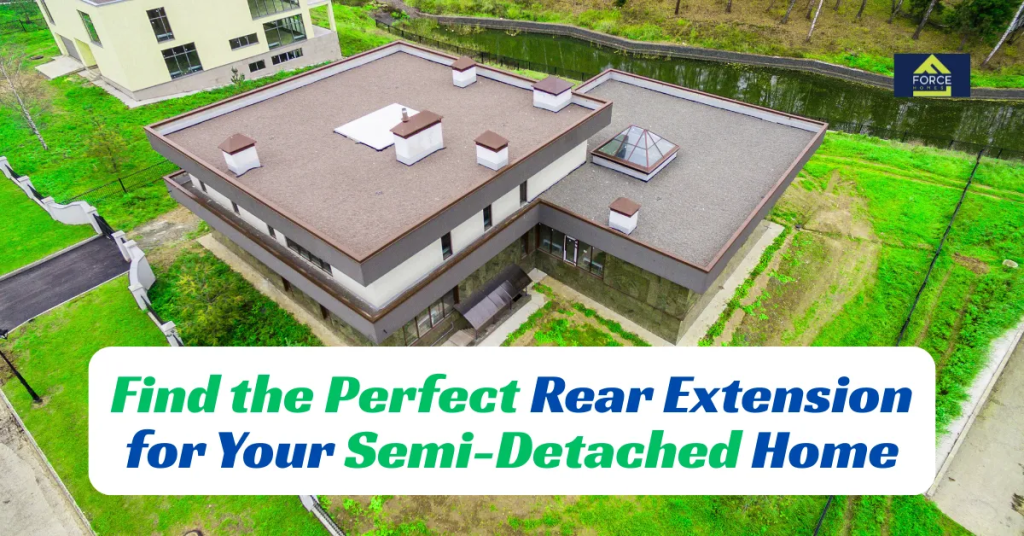
Every home is different, but these are the most common and effective styles we design and build in Sussex:
1. Single-Storey Rear Extension
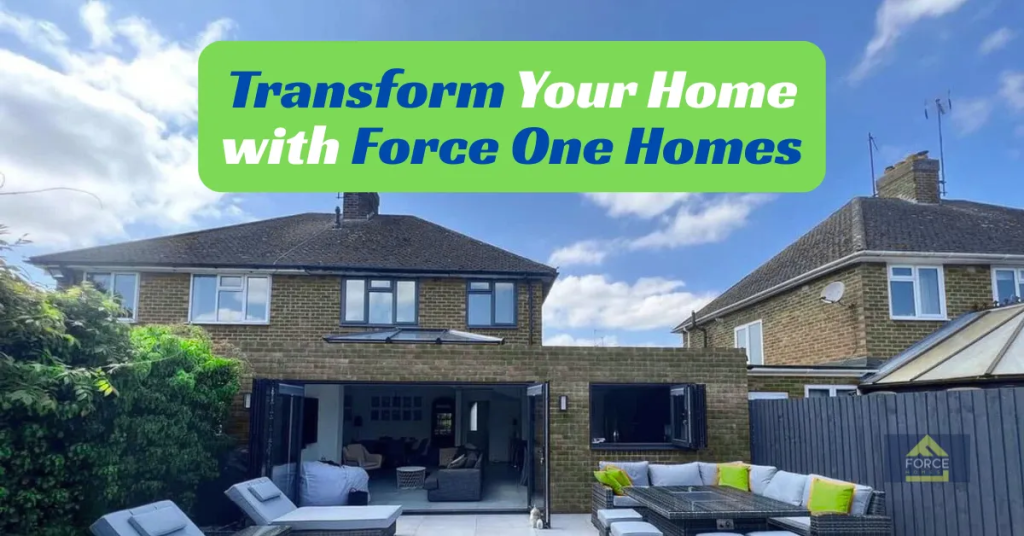
A single-storey rear extension is ideal if you want to expand your ground floor without major structural changes. Many Worthing homeowners use this for large kitchen-diner layouts, complete with skylights and sliding doors to the garden.
Internal link example:
Looking to explore design options? Check out our guide on loft extension types for inspiration on maximizing home space vertically and horizontally.
2. Double-Storey Rear Extension
If you need extra bedrooms or a larger upstairs bathroom, a two-storey extension might be the answer. It requires more planning and engineering but doubles the benefit, perfect for growing families.
Expert Tip: Match rooflines and materials with your existing property to maintain curb appeal and planning approval success.
3. Wrap-Around Rear Extension
A wrap-around extension combines side and rear extensions, transforming your home’s layout completely. It’s popular in West Sussex’s semi-detached homes with unused side returns. This design gives flexibility to create open living areas, utility rooms, or extended kitchens.
4. Glass or Modern Rear Extension
For homeowners looking for a contemporary touch, glass rear extensions or Crittall-style walls add luxury while maximizing light. These designs are ideal for modern properties in Worthing’s coastal areas, blending indoor-outdoor living.
Step-by-Step: How the Rear Extension Process Works
Working with professional building contractors in Sussex ensures your project runs smoothly from design to completion. Here’s how the process usually unfolds at Sussex County Construction:
Step 1: Initial Consultation & Site Visit
We begin with a detailed assessment of your home, understanding your needs, budget, and vision. Our Worthing construction team ensures the proposed design meets UK Building Regulations and planning requirements.
Step 2: Architectural Design & Planning Permission
Our in-house design experts create a bespoke layout. For most semi-detached homes, rear extensions fall under Permitted Development, but larger or double-storey builds often require planning approval.
Step 3: Structural Work & Foundation
Once approved, the groundwork begins, foundations, brickwork, and supporting beams are installed. We ensure materials match your home’s character and comply with West Sussex Council’s building codes.
Step 4: Roofing, Insulation & Utilities
Energy efficiency is a key focus. Our team uses advanced insulation materials, energy-saving glazing, and LED systems to lower long-term costs.
Step 5: Interior Finishing & Quality Checks
From plastering to painting, every detail matters. We complete each project with meticulous quality checks before final handover.
How Much Does a Rear Extension Cost in Worthing?

While costs vary, the average rear extension in West Sussex ranges from £1,800 to £2,800 per m², depending on design complexity and materials.
You can explore detailed cost breakdowns in our guide on the cost of loft conversion, it follows a similar cost structure, helping homeowners plan budgets efficiently.
| Extension Type | Estimated Cost per m² | Typical Use |
| Single-storey | £1,800–£2,400 | Kitchen/Diner |
| Double-storey | £2,200–£2,800 | Bedrooms/Bathrooms |
| Wrap-around | £2,500–£3,200 | Open-plan Layouts |
Traditional vs. Modern Rear Extensions (Comparison Table)
| Feature | Traditional Extension | Modern Extension |
| Materials | Brick, Timber | Glass, Steel, Aluminium |
| Style | Blends with home | Contrasts for visual impact |
| Lighting | Limited windows | Skylights & bi-folds |
| Cost | Moderate | Higher (depends on glazing) |
| Maintenance | Low | Medium |
Planning & Legal Considerations
For homeowners in Worthing and West Sussex, planning permission depends on:
- Extension height and proximity to neighbours
- Roof pitch matching the main house
- Use of materials consistent with the existing structure
Our expert building contractors in Sussex handle all approvals, ensuring a stress-free experience.
Why Choose Sussex County Construction for Your Rear Extension
Local Expertise: We’re established builders in Worthing, Chichester, and Littlehampton, trusted for delivering projects on time.
End-to-End Service: From design and planning to construction and finishing.
High-Quality Craftsmanship: Every project follows NHBC and UK Building Standards.
Energy Efficiency: Focus on sustainability and long-term cost savings.
Customer-Focused: Transparent communication and tailored design advice.
See our portfolio of completed projects to explore real examples of extensions across Sussex.
Aftercare & Maintenance Tips
- Inspect sealants and roof joints annually.
- Repaint or reseal wooden doors and trims.
- Keep drainage clear around the new structure.
- Schedule a maintenance check every 2–3 years with your builder.
For ongoing upgrades, explore our house extensions in Sussex and property extension services in Worthing to maintain long-term home value.
FAQs: Rear Extension Ideas for Semi-Detached Homes
1. Do I need planning permission for a rear extension in Worthing?
Most single-storey rear extensions fall under Permitted Development, but check local limits for semi-detached properties.
2. How long does a rear extension take to complete?
Typically, 10-16 weeks, depending on weather, size, and complexity.
3. Can I live at home during construction?
Yes, most of our clients remain in their homes while work progresses.
4. What’s the best material for coastal properties?
For Worthing’s climate, treated brickwork and marine-grade aluminium perform best.
5. Will a rear extension increase my home’s value?
Yes, expect a 10-20% uplift, especially if you modernize the kitchen or living space.
Conclusion: Build Smarter, Live Better
A rear extension can transform your semi-detached house into a modern, light-filled home that fits your lifestyle. Whether you’re in Worthing, Lancing, or Chichester, the right design and construction team make all the difference.
Contact Sussex County Construction today for a free consultation, your dream home could be just one extension away.
Explore more services at Sussex County Construction, expert building contractors in Sussex you can trust.
0 Comments